

Giovanni Bernardo Carbone,
1616-1683.
A ‘Fashionable’ Portrait Painter in Mid-Seventeenth-Century Genoa
From 10 October 2026 to 24 January 2027
Curated by Daniele Sanguineti
With the collaboration of Marzia Cataldi Gallo and Loredana Pessa
For the first time an exhibition tells a double and fascinating story, through the presentation of the greatest portrait painter active in Genoa in the mid-seventeenth century, Giovanni Bernardo Carbone (1616–1683).
On one hand, the artistic trajectory of a painter who was able to direct Genoese patronage towards a high-level portrait typology, based on the expectations of a generation of nobles accustomed, since the 1620s, to dealing with the celebrated Flemish master Anton Van Dyck; on the other, the evolution of fashion, especially women’s fashion, can be traced in a moment of progressive transition from the austere Spanish style to the enthusiastic reception of the more supple and decorative French models, which were simultaneously spreading across much of Europe.
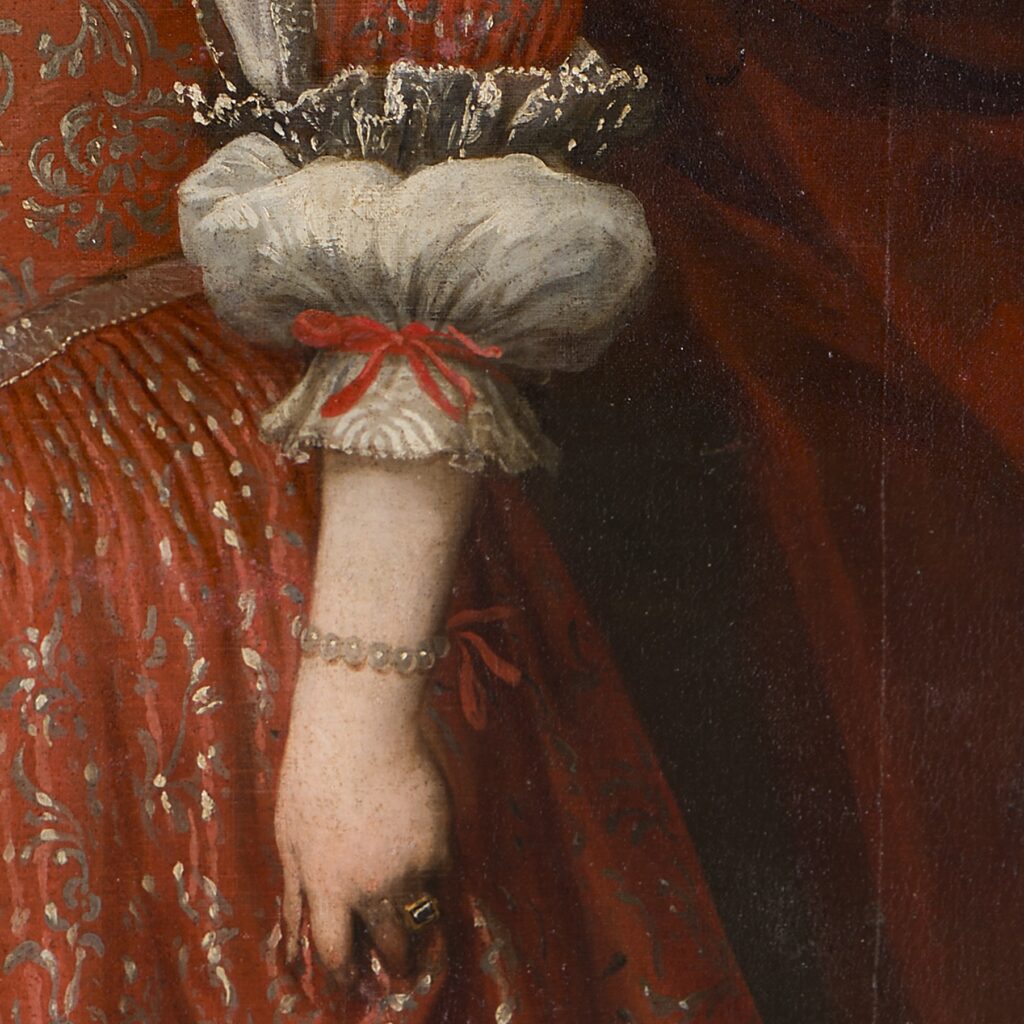
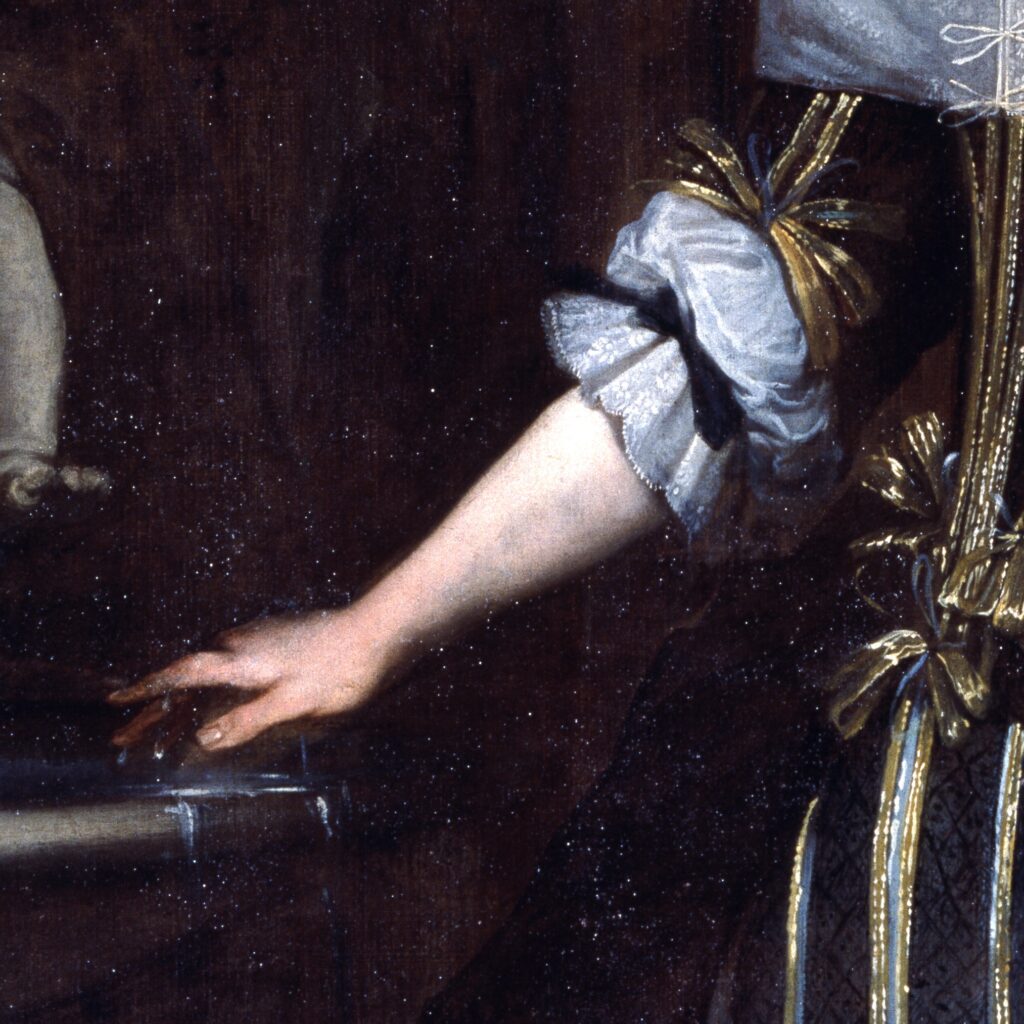
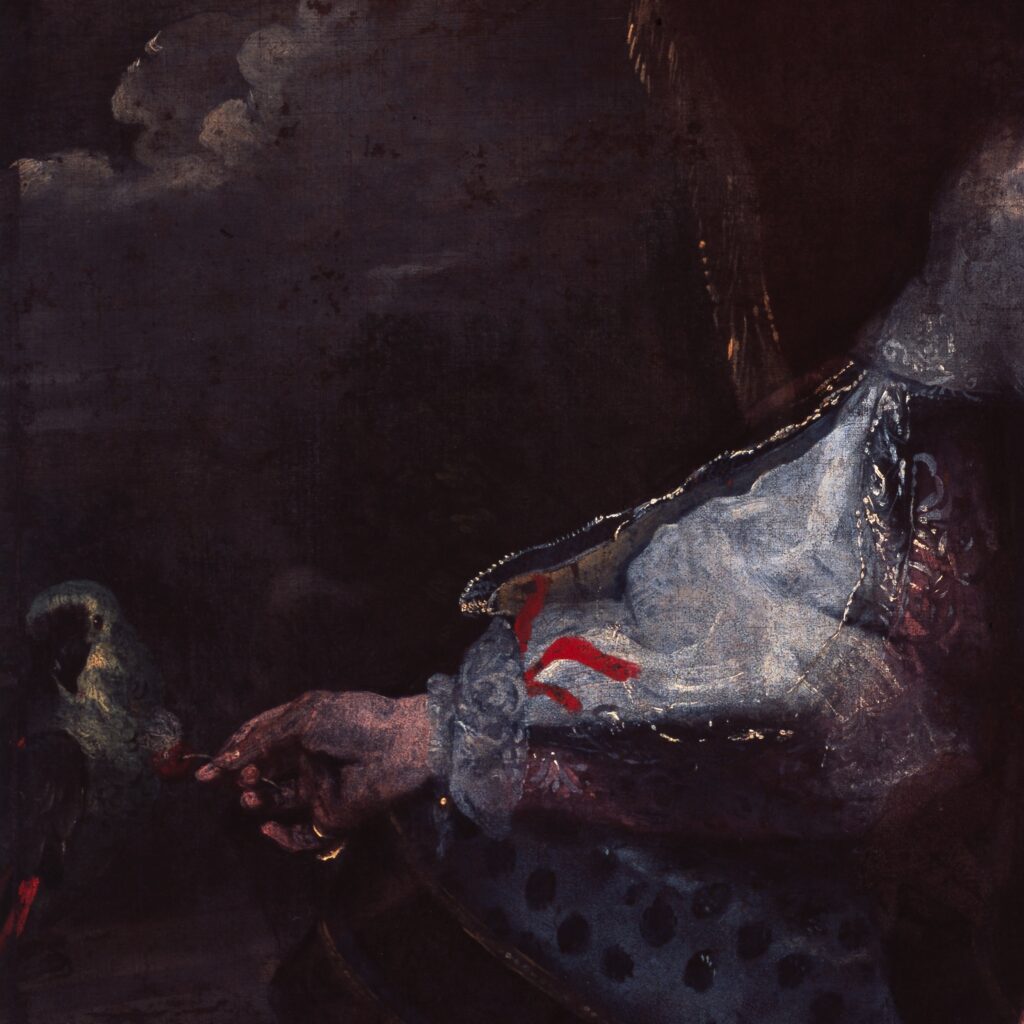
Carbone, a pupil of Giovanni Andrea De Ferrari, began his activity at the beginning of the 1640s and found a specialisation in the portrait genre congenial, while being increasingly known and esteemed also as a painter of altarpieces and sacred paintings for collections. Cultivated in the naturalism that had distinguished the Genoese painting school thanks above all to Bernardo Strozzi—of whom De Ferrari was a pupil—to the Flemish Jan Roos—a collaborator of Van Dyck in Genoa—and to Domenico Fiasella—interested in a more measured interpretation of reality—he never conceived a human figure without portrait characterisation, as his sacred paintings demonstrate.
A stay in Venice, after 1652 and before 1658, allowed Carbone to view directly the works that Strozzi painted in the Lagoon and the pictorial texts created by the great portrait painters of the Venetian Renaissance, Titian and Tintoretto.
From the 1660s Carbone intensified his activity, precisely at a time when attention to French fashions increased both for ladies and for the young sons of the nobility, and portraiture enjoyed greater fortune, partly justified by the devastating plague outbreak of 1656–1657.
The figurative works attributable to the 1670s are instead fewer, when Carbone slowed down his work due to health problems and when he was joined by a capable pupil, Nicolò Maria Vaccaro, whose independent career began from the following decade.
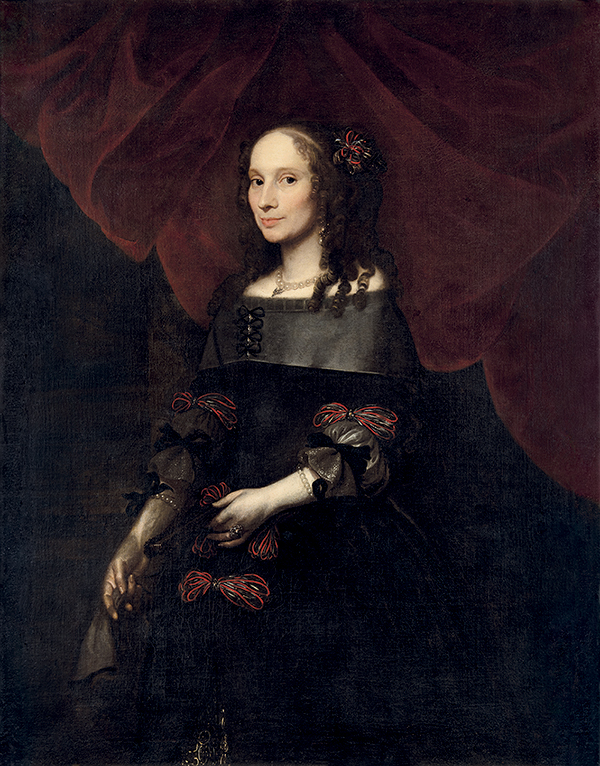
Precious garments made with fine fabrics, magnificent parures virtuoso laces—exemplified in the exhibition through rare specimens—and elaborate hairstyles come to life at the touch of a brush capable of erasing the chronological distance that separates us from these people and their magnificent context. The acme is constituted by the expressionistic rendering given to the faces, never frozen in a stereotype but animated by the true temperament of the sitter, whose essence is captured by the painter through the vivacity of the gaze.
Through the serious elegance of the total black of male attire in the Spanish style, characterised by slower modifications, and the luxurious complexity of the various outfits of female attire, always evolving, the Genoese parade through these exhibition rooms, posing as if reflected in the mirror of time.
Opening Hours
| Monday | Closed* |
| Tuesday | Closed* |
| Wednesday | Closed* |
| Thursday | 15.00 – 18.00 |
| Friday | 15.00 – 18.00 |
| Saturday | 10.00 – 18.00 |
| Sunday | 10.00 – 18.00 |
* From Monday to Wednesday open for groups and schools by reservation only
Tickets
Full price: €13.00
Reduced (groups and conventions): €11.00
Students and teachers: €9.00
Info and bookings
lomellino@studiobc.it
+39 393 8246228
RELATED EVENTS
AROUND GIOVANNI BERNARDO CARBONE
Discover the events related to the exhibition Giovanni Bernardo Carbone, 1616–1683. A ‘Fashionable’ Portrait Painter in Mid-Seventeenth-Century Genoa.